





What Players Notice First On The Platform
The first minutes shape the whole session. A visitor checks the menu, finds the account area, opens the cashier, and decides whether the page feels clear enough to trust. In 2026 that matters more than flashy banners.
Imagine opening the platform on your phone while travelling home. You want to know where to enter the lobby, find recent activity, and reach support. When those actions are simple, the rest of the experience feels more stable.
How West28 Login Supports A Smooth Start
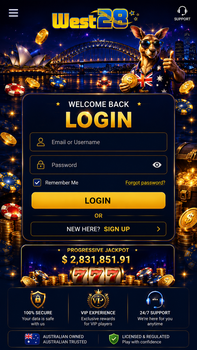
The account entry stage should feel routine. Returning players want to get inside, check the balance, and continue without friction. New users want to know whether the form is simple, how password recovery works, and what happens if they enter the wrong detail. A useful access page removes noise and keeps the next step obvious.
Picture a player who registered the night before and now opens the platform again during a morning break. They do not want hidden buttons or repeated prompts. Usually they want one clean entry path, a clear recovery option, and fast access to the account area. That is what turns a first visit into a repeat visit.
Device Checks Before You Enter
Many access issues start outside the account itself. A browser may store an old password, autofill may insert the wrong email, or the page may be open in too many tabs at once. Experienced players check those basics first before assuming the platform is broken.
If you move between a home laptop and a work phone, small mismatches appear quickly. Usually the best fix is boring but effective: clear the field, type everything once, and pause before trying again. One careful attempt often works better than five rushed ones.
Recovering Access Without Guesswork
Lost access becomes stressful mainly when people panic. They try several passwords in a row, forget which email they used, then assume the account has failed. A better routine is simple: confirm the email, use the recovery tool once, and wait for the reset message.
Imagine returning after a week away and nothing works on the first try. Often the real issue is a keyboard setting, an old saved password, or a reset email in the wrong folder. Calm steps solve more problems than random clicking.

Creating An Account Step By Step
Registration is where interest becomes commitment. A visitor stops browsing and starts entering personal details, security information, and payment preferences. This part should feel linear. When it turns messy, users either leave halfway through or finish the form too fast and create problems for later reviews.
The best approach is accuracy. Use an email you check often, create a password you will not confuse with similar ones, and type personal data exactly as it appears on your documents. Clean information usually makes payment checks easier later.
Imagine seeing a promotion and wanting to rush straight into the lobby. Most players are better off slowing down for ten minutes, completing the profile properly, and reading the cashier notes before depositing.
Some users ignore limits at this stage. Treating registration like a setup task rather than a sprint keeps the process cleaner.
Why West28 Sign Up Works Better With Preparation

A smooth start usually begins before the first game opens. Players who prepare one payment method, correct personal details, and a basic budget tend to move through the first session with less stress. Preparation does not guarantee a perfect experience, but it gives the player more control.
Imagine beginning the process during a short break before work. You may finish the form, yet you may not have time to review identity notes or think about spending limits. Usually that creates rushed choices. A small plan changes the pace: set up first, play second.
What To Prepare Before Registration
Keep the essentials close before you start. You may need access to your email, accurate address details, and documents that match the profile information. Even if every item is not requested immediately, having them ready prevents the common stop-start pattern that drags the task across the evening.
Picture a player trying to finish the form on a moving bus, then pausing because they cannot confirm a detail or locate an ID image. The task becomes longer than it should be. Usually players avoid that by sitting down once, completing the profile carefully, and reviewing each field before confirming.
Setting Limits Before The First Deposit
Responsible play tools work best when they are used early. Deposit caps, session reminders, and cool-off options create structure before emotions take over. Once a player starts chasing a result, even a basic cashier decision can feel urgent.
Imagine loading funds after a difficult day and telling yourself you will stop whenever the session stops being fun. That sounds sensible, but mood changes quickly. A pre-set budget and time window usually work better because they do not depend on impulse.
Payments, Cashier Logic, And Withdrawal Pacing
The cashier shows how practical the platform really is. Players learn which methods feel familiar, how limits are displayed, whether pending requests are visible, and how clearly the platform explains account review. A good payment area does not need dramatic promises. It needs clarity.
Australian users often judge trust here faster than in the game lobby. Imagine checking your balance after a session and wanting part of it moved back out through a method that matches your account details. In that moment, visibility matters more than design.
Payment Goal | What Players Usually Check | Practical Tip |
|---|---|---|
First deposit | Minimum amount, confirmation speed, balance update | Start small and confirm the cashier status before opening several games |
Repeat deposit | Saved details, available limits, session budget | Use one main method instead of switching often |
Cash-out request | Pending status, identity review, destination match | Keep payment details aligned with the profile |
Account review | Requested documents, name match, recent edits | Upload clear files and avoid changing data mid-process |
Session control | Spending history, reminders, limits | Review activity before adding more funds |
Why Cash-Outs Sometimes Feel Slower Than Deposits
Deposits are usually designed to be quick, while outgoing requests often involve extra review. The platform may need to confirm identity, payment ownership, or profile consistency before releasing funds. That can feel annoying, especially after a winning session, but the logic is procedural.
Imagine finishing a good evening and expecting the outgoing request to move at the same pace as the deposit. When that does not happen, frustration rises. Usually the best response is to check whether your profile details match, whether documents are already approved, and whether the destination method fits earlier account activity.
Choosing Games Without Burning Through Balance
The lobby can overwhelm new users because every category competes for attention at once. Fast rounds, tables, bonus-led sections, and featured tiles all push you to begin immediately. A careful player does something different. They start with pace, not excitement. How long will the session last? What budget fits that time? Which game style matches that budget?
Imagine opening the lobby with a modest bankroll and seeing ten tempting options. One common mistake is switching every few minutes because each tile looks more promising than the last. Usually that leads to scattered decisions and weak control. Choosing one style first creates a steadier rhythm.
Game choice also changes emotion. Faster products can empty a small balance quickly, while slower formats leave more room to pause and decide whether the session still makes sense.
Matching The Session To Your Budget
A modest bankroll does not need a heroic strategy. It needs realistic pacing. Many players plan around what they hope to win instead of what they can comfortably spend. A better method asks three things: how much can leave your account without stress, how long do you want to play, and what result tells you the session is over?
Imagine starting after dinner with a set amount and seeing half of it disappear quickly. Will you reload because that was part of the plan, or because the moment feels uncomfortable? Usually the answer shows whether the session is still under control.
Mobile Play, Help Options, And Control Tools
The mobile version shapes the modern casino experience as much as desktop. People register on one device, deposit on another, and check balances from almost anywhere. That is useful, but it also exposes every weak design choice. Tiny menus, unclear cashier paths, and hidden help buttons feel worse on a phone.
Imagine standing at a tram stop and opening the account area just to check recent activity. On a strong layout you can do that in seconds. On a weak one, even a simple balance check becomes annoying. Good mobile design supports short, practical actions, not only gameplay.
Support options matter too. When players do need help, the issue is usually specific: a failed upload, an unclear status, or an account lock.
When It Makes Sense To Contact Support
Support works best when the question is precise. "My account does not work" is hard to act on. "My document upload failed twice and the review still shows pending" is easier to handle. The clearer the message, the better the chance of a useful reply.
Picture a player sending three frustrated one-line messages, each missing a key detail. Progress slows because the problem has to be rebuilt from fragments. Usually one complete message works better: explain the issue, list what you already tried, and keep the context focused.
Using Timeouts And Self-Management Features
Control tools are not only for crisis moments. They are practical for ordinary players who want structure, especially when the casino is easy to open from a phone. Deposit limits, session reminders, cool-off periods, and other restrictions create breathing room before a rough session turns worse.
Imagine a stressful week where quick entertainment slowly becomes repeated deposits. Most people do not plan for that shift. Usually the smarter move is to pause early, reduce access for a while, and return only when the session can stay recreational.
Reading The Platform Like A Careful Player In 2026
By 2026 the strongest casino users are rarely the fastest clickers. They are the ones who read the platform as a system. They notice whether the account area is clear, whether payment steps are understandable, whether support gives practical answers, and whether their own habits stay under control.
Imagine two players opening the same lobby. One rushes from setup to deposit to game hopping, then gets irritated when something slows down. The other spends a few extra minutes reviewing the profile, the cashier, and the control tools before the first round. Usually the second player gets a smoother evening, even if the games are identical.
Adult users in Australia often avoid common frustrations by keeping records consistent, using one main payment route, and ending sessions before fatigue starts guiding decisions. That is a practical way to approach an online casino in 2026: less impulse, more structure.